
Anodising is an oxidisation process used to increase the thickness of the natural oxide layer on the surface of metal parts.
At Stainless Plating, we offer three types of anodising:

Chromic Anodising

Sulphuric Anodising
Tartaric Sulphuric Anodising
We also offer a range of surface conditioning options including:

Pre-Treatment/Etching
to reduce surface
scratches
Satin Finish
achieved through increased
etching
Masking
available to specific customer
requirements
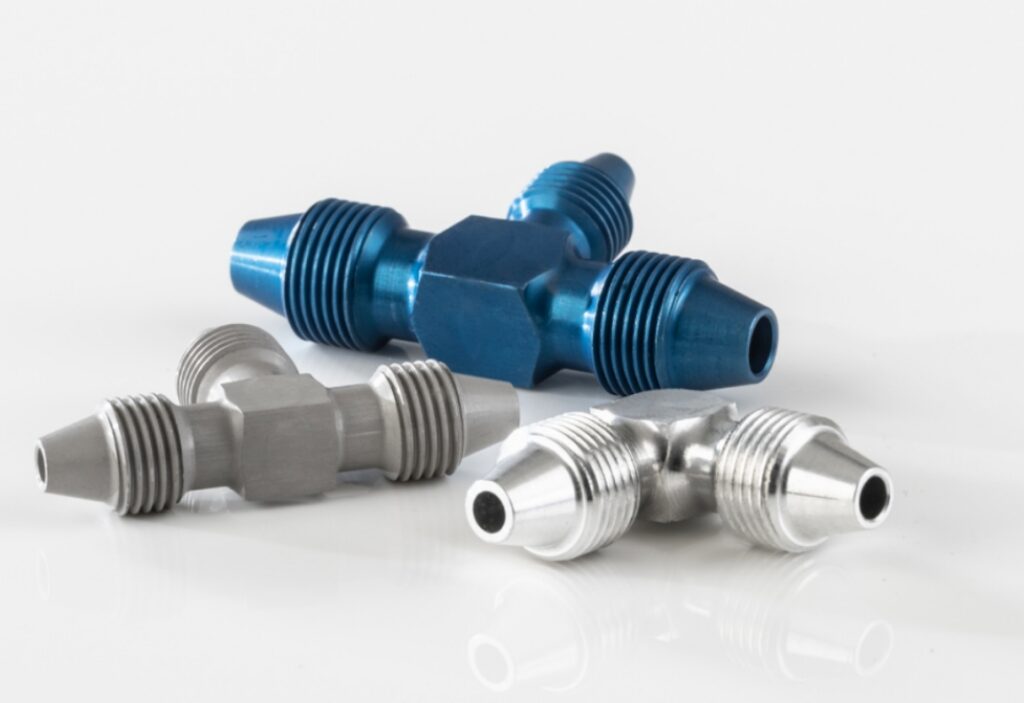
Anodising
The process is called anodising because the part to be treated forms the anode electrode of an electrical circuit. Anodising increases corrosion resistance and wear resistance and provides better adhesion for paint primers and glues than bare metal. Anodic films can also be used for a number of cosmetic effects, either with thick, porous coatings that can absorb dyes or with thin transparent coatings that add interference effects to reflected light.
- Sealed
- Unsealed
- Natural Finish
- Coloured
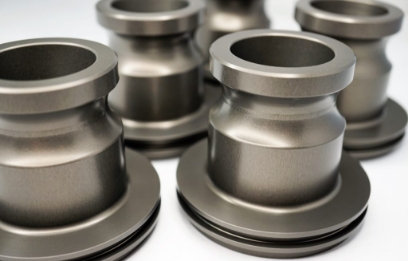
Tartaric Sulphuric Anodising
SPL Treatments offers Tartaric Sulphuric Anodising (TSA) as a high-performance, environmentally responsible alternative to traditional chromic acid anodising.
Widely specified within the Aerospace and Defence sectors, TSA provides excellent corrosion protection and strong adhesion properties for subsequent painting or bonding, while reducing environmental impact. Our process is tightly controlled to ensure consistent coating thickness, structural integrity and full compliance with customer and industry specifications.
Delivered under our AS9100 Rev D quality management system and supported by NADCAP accreditation, SPL’s Tartaric Sulphuric Anodising capability provides reliable protection for critical aluminium components.
Advanced protection. Responsible performance.
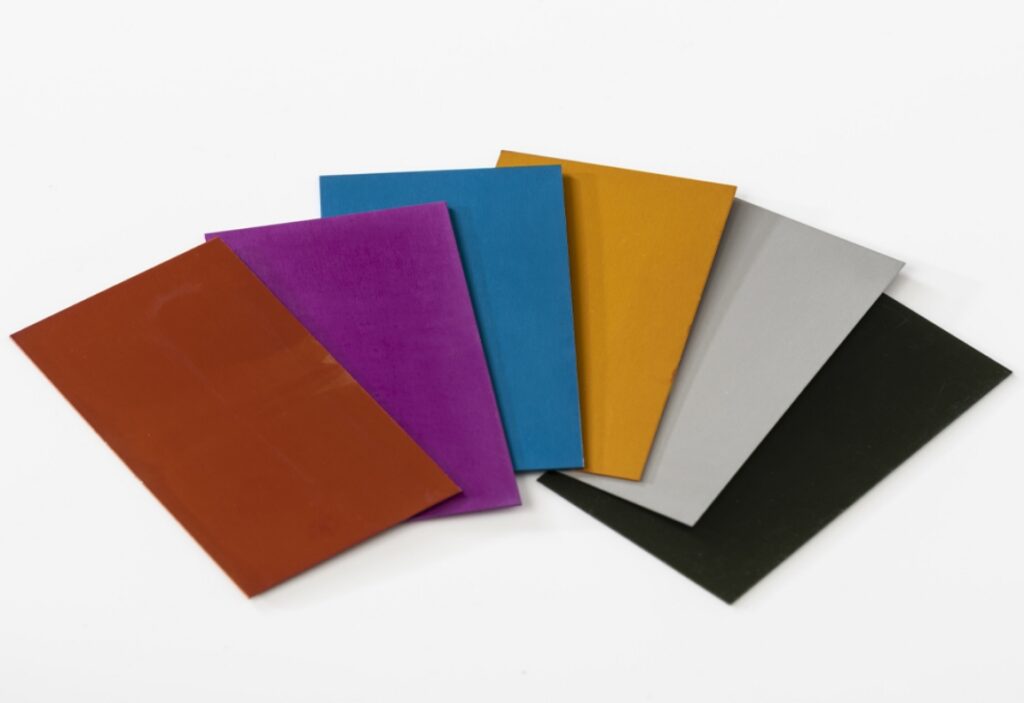
SULPHURIC ANODISE (COLOUR DYED)
Anodic oxidation is widely used to treat aluminium and its alloys, providing a decorative and protective finish. During anodising, a thin, invisible aluminium oxide film forms on the surface, protecting against corrosion. Depending on the surface condition and alloy, the finish may be bright, semi-bright, or matt (clear, natural, or silver anodising). The anodic film can also be dyed in colours such as gold, red, blue, green, or black. As dyes are absorbed into the pore structure, the sealed coating is highly resistant to wear and fading. Dyed coatings are typically 10–25 microns thick.
- Black
- Red
- Green
- Blue
- Gold
- Purple
and many more colours.
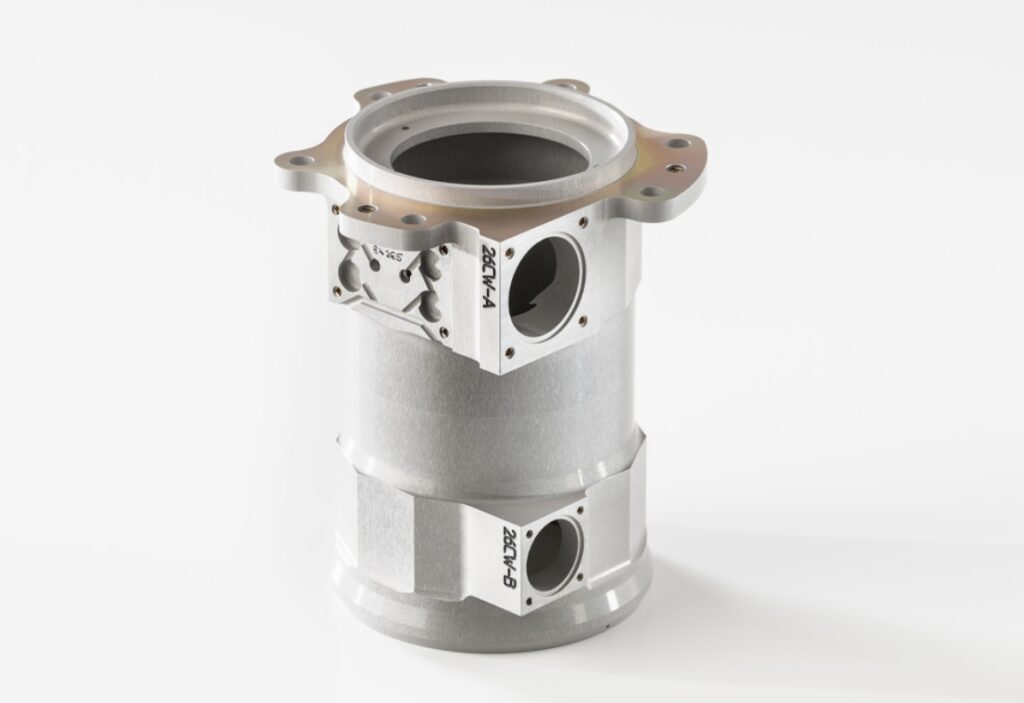
CHROMIC ANODISING
We offer Chromic Anodising to Aerospace & Military specifications. Chromic Acid Anodising is the chosen finish for primer painting as it has excellent adhesion properties. We can process Chromic Anodising up to 3 metres in length. Typical thickness of 3 to 5 microns can be achieved.
- Sealed
- Unsealed
- Natural Finish
- Coloured
Request a quote
Please fill out this short form with your requirements and upload your part drawings.